 By
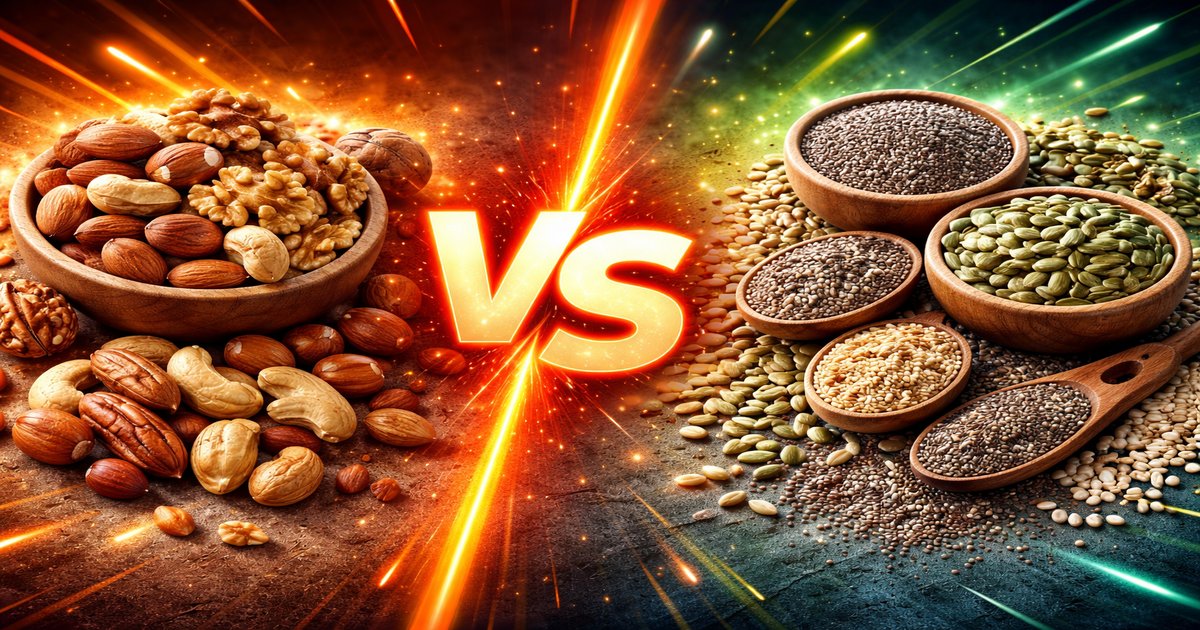
By You’re standing in the snack aisle, eyeing the nut and seed options, wondering which is the better choice for your diet. Whether you’re looking for a post-workout protein boost or a healthy snack, making the right selection can be a game-changer for your nutrition goals.
| Feature | Nuts | Seeds |
|---|---|---|
| Protein Content (per 100g) | 20g | 20g |
| Healthy Fats | ✓ | ✓ |
| Fiber Content (per 100g) | 7g | 10g |
| Variety of Nutrients | ✓ | ✓ |
| Allergen Potential | ✓ | ✗ |
| Omega-3 Fatty Acids | 3g | 5g |
✅ nut Pros
- Higher in certain vitamins such as Vitamin E.
- Excellent source of healthy fats.
- Wide variety of flavors and textures.
❌ nut Cons
- Common allergens for many people.
- Generally higher in calories.
✅ seed Pros
- Rich in fiber, aiding digestion.
- Usually lower in calories compared to nuts.
- Great source of Omega-3 fatty acids.
❌ seed Cons
- Often less flavorful on their own.
- Can be more expensive per serving.
Performance: Nutritional Benefits
When it comes to nutritional powerhouses, nuts and seeds each have their strengths. Nuts like almonds and walnuts are fantastic for providing Vitamin E and healthy fats, but they carry a higher calorie count. Seeds, on the other hand, pack a punch with fiber and Omega-3, making them excellent for heart health. If you’re counting calories, seeds might be your best bet, whereas nuts can offer a more satiating option if you’re looking for a rich nutrient profile.
Build Quality: Taste and Texture
Let’s talk about what hits your taste buds. Nuts come in a variety of textures and flavors, from the creamy richness of cashews to the crunch of brazil nuts, making them a more versatile snacking option. Seeds are generally smaller and less flavorful, often requiring some seasoning to be truly enjoyable. If you’re all about taste and variety, nuts may have the upper hand, though seeds can be delightful when mixed into dishes like salads or smoothies.
Value: Cost and Accessibility
Seeds can sometimes be a wallet buster, especially popular ones like chia and hemp seeds, which often come at a premium price. Nuts, while also pricey, are generally more accessible and come in a wider range of price points. If you’re on a budget, you might find that peanuts and sunflower seeds offer great value, but for superfoods like chia, be ready to shell out a bit more.
Here’s the scoop: nuts are often calorie-dense, so if you’re not careful, they can derail a calorie-controlled diet. Seeds, while nutritious, often require you to eat more to feel full, which can also sneak up on your daily intake. Watch those portion sizes!
Our Final Verdict: Which One Should You Buy?
If you’re someone who thrives on variety and rich flavors, nuts are your go-to. They’re ideal for those who enjoy a hearty snack that doesn’t require additional seasoning. On the other hand, if you’re health-focused and looking for a high-fiber, lower-calorie option, seeds are your best friend. They’re perfect for sprinkling on meals or adding to smoothies for that extra nutritional boost.
Are seeds a better choice for weight loss?
Seeds generally have fewer calories than nuts, making them a better option if you’re watching your calorie intake while still getting nutrients.
Can I eat nuts if I have a nut allergy?
If you have a nut allergy, you should avoid nuts altogether and opt for seeds, which are generally considered safe for those with nut allergies.
How long do nuts and seeds last?
Both nuts and seeds have a long shelf life but should be stored in a cool, dry place. Refrigerating them can extend their freshness up to six months.