 By
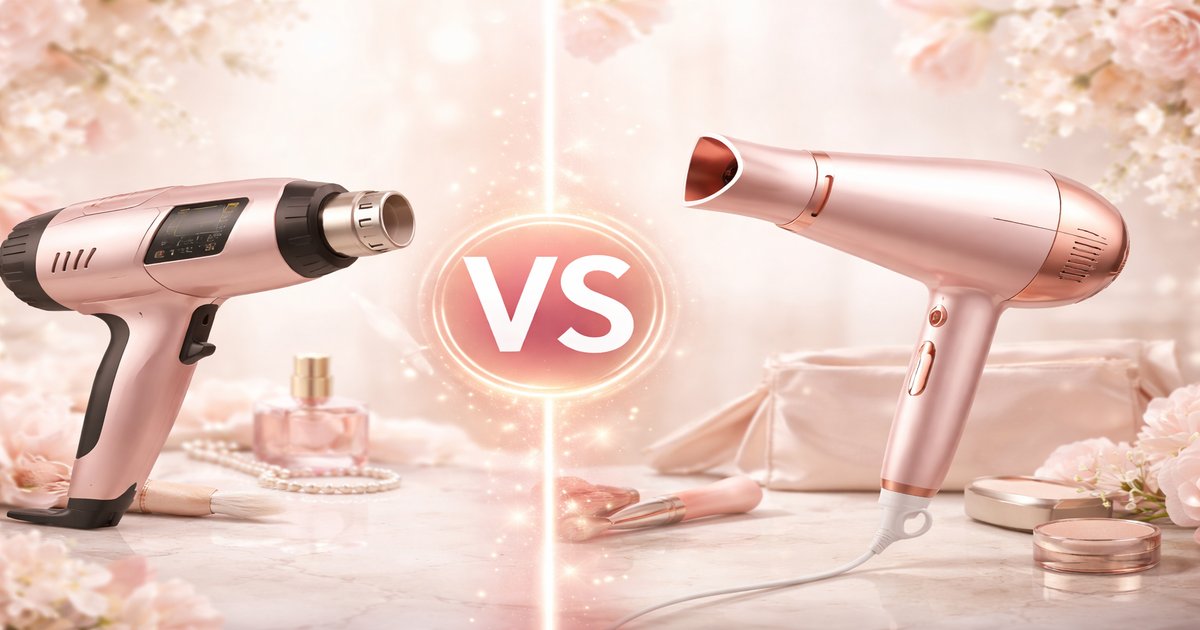
By You’ve got a DIY project on the horizon, and you might be wondering if your trusty hair dryer is enough to tackle it or if it’s time to upgrade to a heat gun. Both tools blow hot air, but they serve different purposes and come with their own sets of strengths and weaknesses. Let’s break down the differences so you can make an informed choice.
| Feature | Heat Gun | Hair Dryer |
|---|---|---|
| Maximum Temperature | 1000°F (538°C) | 140°F (60°C) |
| Variable Heat Settings | ✓ | ✓ |
| Airflow Control | ✓ | ✗ |
| Weight | 2 lbs (0.9 kg) | 1 lb (0.45 kg) |
| Cost | $20-$100 | $15-$60 |
| Noise Level | High | Moderate |
✅ heat gun Pros
- High temperature for tough jobs like paint stripping.
- Multiple nozzles for various applications.
- Durable construction and long lifespan.
❌ heat gun Cons
- Heavier and more cumbersome to handle.
- Higher risk of burns and damage if misused.
✅ hair dryer Pros
- Lightweight and easy to handle for extended periods.
- Great for quick drying and low-heat applications.
- Affordable and widely available.
❌ hair dryer Cons
- Limited to low-heat tasks.
- Lacks precision and control for detailed work.
Performance
When it comes to performance, a heat gun is like the heavyweight champion of the hot air world. It can reach scorching temperatures, perfect for removing old paint, thawing frozen pipes, or even bending plastics. On the other hand, your hair dryer is more like a reliable sidekick, ideal for drying hair or gentle tasks like removing adhesive labels or shrink-wrapping gifts. If you’re dealing with stubborn materials or need precision, the heat gun wins hands down. But for everyday low-heat needs, the hair dryer is your go-to.
Build Quality
Heat guns are designed to endure harsh conditions and extended use. They often come with sturdy casings and ergonomic handles to cope with the demands of heavy-duty projects. Hair dryers, however, are built for comfort and portability, making them easy to use and store. They may not withstand the same level of abuse as heat guns, but they’re perfectly adequate for their typical applications. If you’re looking for something that can take a beating, invest in a heat gun. For simpler needs, the hair dryer’s build is sufficient.
Value for Money
The price range for heat guns and hair dryers overlaps, but what you get for your money varies greatly. A $50 heat gun can offer high temperatures, multiple settings, and specialized nozzles, giving you more bang for your buck if you need versatility. Conversely, a $50 hair dryer might offer higher wattage and sleek design features ideal for personal care but lacking in industrial function. If your needs are project-focused, a heat gun is a better investment. For personal grooming or light household tasks, stick with the hair dryer.
Heat guns are awesome for serious DIYers, but they aren’t foolproof. Misjudge the heat or distance, and you could end up damaging your workpiece or even starting a fire. Hair dryers seem harmless, but they can trip your circuit breaker if used with too many other appliances. Consider your power source and usage environment before you make a choice.
Our Final Verdict: Which One Should You Buy?
If you are a DIY enthusiast or a professional needing high temperatures and precision for tasks like stripping paint or thawing pipes, a heat gun is your best bet. It’s a versatile tool that can handle tough jobs with ease. However, if you’re just looking for something to dry your hair or handle light household tasks, a hair dryer is the perfect, cost-effective choice. It’s lightweight, easy to use, and does the job without fuss.
Can a hair dryer replace a heat gun?
No, a hair dryer cannot replace a heat gun for high-temperature tasks. It simply doesn’t get hot enough for jobs like paint stripping or plastic welding.
How long do heat guns typically last?
A quality heat gun can last several years if properly maintained. Avoid overusing it at maximum settings to extend its lifespan.
Is it safe to use a heat gun indoors?
Yes, but ensure proper ventilation to avoid inhaling fumes, and always keep the heat gun moving to prevent overheating any one area.