 By
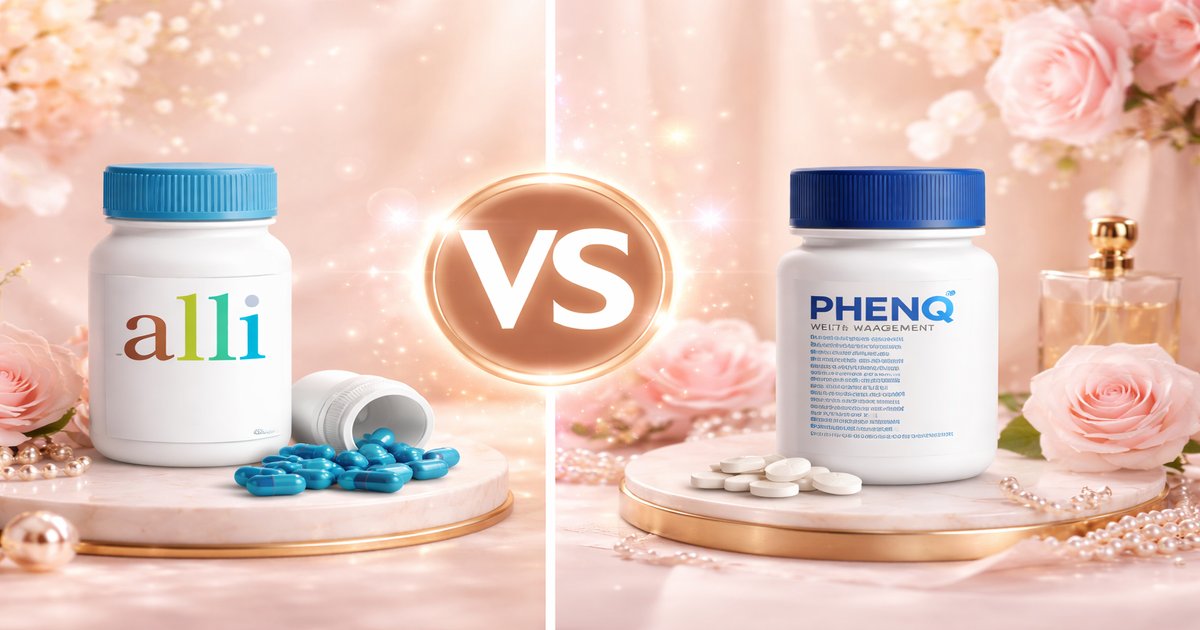
By You’ve tried every diet under the sun, and the gym has become your second home, but those last stubborn pounds won’t budge. You’ve heard of weight-loss pills like alli and phenq, but which one will actually help you break through that plateau?
| Feature | alli | phenq |
|---|---|---|
| Active Ingredient | Orlistat | α-Lacys Reset®, Capsimax Powder |
| Prescription Needed | ✗ | ✗ |
| Dietary Restriction | Low-Fat | None |
| Appetite Suppressant | ✗ | ✓ |
| Fat Blocker | ✓ | ✗ |
| Energy Boost | ✗ | ✓ |
| Price (Monthly) | $50 | $70 |
✅ alli Pros
- Clinically tested and FDA-approved.
- Specifically targets fat absorption.
- Non-prescription and easy to find.
❌ alli Cons
- Requires strict adherence to a low-fat diet.
- Can cause digestive side effects like oily stools.
- No appetite suppression.
✅ phenq Pros
- Multi-faceted approach: burns fat, suppresses appetite, and boosts energy.
- Contains natural ingredients.
- No dietary restrictions needed.
❌ phenq Cons
- More expensive than alli.
- Effects can vary based on individual metabolism.
- Not FDA-approved.
Performance and Effectiveness
Alli is a one-trick pony: it blocks about 25% of the fat you consume. This is great if your diet is already on point, but it means you can’t just eat what you want and expect miracles. PhenQ, on the other hand, is like a Swiss Army knife for weight loss. It not only encourages fat burning but also suppresses your appetite and boosts your energy levels, which can help you power through workouts. If you crave a more comprehensive approach, phenq might be your go-to.
Dietary Compatibility
Alli demands commitment to a low-fat diet, and you’ll pay the price with unpleasant side effects if you deviate. This can be a deal-breaker for anyone who finds meal planning a chore. PhenQ doesn’t impose any dietary restrictions, which means you can indulge occasionally without worrying about digestive disasters. This flexibility could be crucial if your lifestyle doesn’t allow for meticulous meal prep.
Value for Money
Alli is the more budget-friendly option at roughly $50 a month, but consider the hidden costs of a low-fat diet, which may require premium groceries. PhenQ is pricier at $70 monthly, yet offers a holistic weight management package. It’s a more substantial upfront investment, but if it saves you from buying separate energy boosters or appetite suppressants, it could be worth the higher price tag.
Both products have limitations that aren’t glaringly obvious. Alli can lead to embarrassing digestive issues, making it less suitable for those with social or professional obligations that demand discretion. PhenQ’s energy boost might interfere with sleep patterns if taken too late in the day, something night owls need to watch out for.
Our Final Verdict: Which One Should You Buy?
If you’re the type who can stick to a strict, low-fat diet and want a proven, FDA-approved option, alli is your best bet. It’s ideal for disciplined dieters who are laser-focused on cutting fat. However, if you need a more versatile solution that supports your weight loss journey on multiple fronts and don’t mind paying a bit more, phenq is your ally. It’s perfect for those who want an all-in-one supplement without the hassle of dietary constraints.
Can I use alli or phenq if I have a medical condition?
Consult your healthcare provider before starting any weight loss supplement, especially if you have existing health issues.
How long does it take to see results with these supplements?
Both alli and phenq typically show results within a few weeks, but consistency and lifestyle choices significantly impact outcomes.
Are these supplements suitable for long-term use?
Alli is generally considered safe for long-term use if monitored by a healthcare provider. PhenQ should be cycled to prevent tolerance build-up.