 By
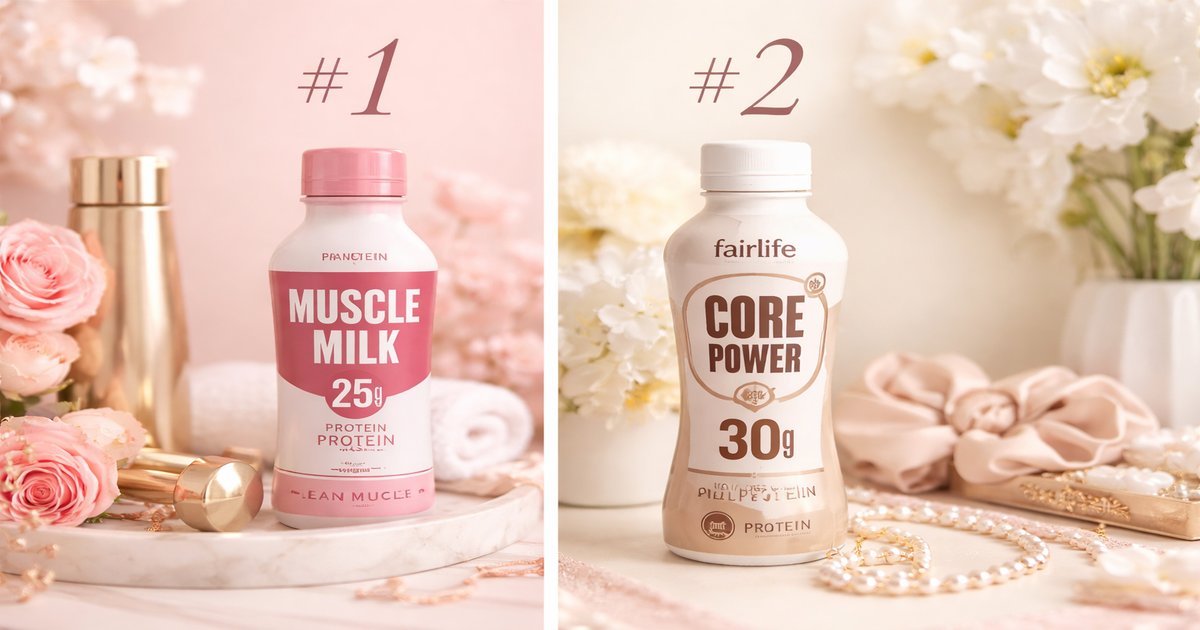
By You’ve hit the gym hard, and now you’re staring at the shelves trying to decide between Muscle Milk and Fairlife. Both promise to boost your protein intake, but which one will actually help you crush your fitness goals without wrecking your taste buds or budget?
| Feature | Muscle Milk | Fairlife |
|---|---|---|
| Protein Content (per serving) | 25g | 30g |
| Calories (per serving) | 160 | 150 |
| Lactose-Free | ✓ | ✓ |
| Sugar Content (per serving) | 0g | 2g |
| Flavor Variety | Extensive | Limited |
| Price (per bottle) | $3.50 | $3.00 |
| Added Vitamins & Minerals | ✓ | ✗ |
✅ Muscle Milk Pros
- Higher in vitamins and minerals, making it a more comprehensive nutritional option.
- Zero sugar content is great if you’re watching your sugar intake.
- Wide range of flavors to keep your palate interested.
❌ Muscle Milk Cons
- Higher calorie content might not suit everyone.
- More expensive per serving compared to Fairlife.
- Some flavors can taste artificial.
✅ Fairlife Pros
- Higher protein content per serving, which is excellent for muscle repair.
- Lower calorie count can be beneficial for weight management.
- Generally more affordable, offering good value for money.
❌ Fairlife Cons
- Limited flavor options might become boring over time.
- Contains some sugar, which could be a downside for strict diets.
Performance: Which Powers Your Workout Better?
Muscle Milk delivers a robust 25g of protein, but Fairlife edges ahead with 30g. If you’re a gym rat looking to pack on muscle, those extra grams can make a big difference, especially after a grueling workout. With Fairlife, you’re also getting a lower-calorie option, which might appeal if you’re not trying to bulk up too much. Muscle Milk, however, offers a more balanced nutritional profile, thanks to its added vitamins and minerals, making it ideal if you’re looking to replace a meal or need an all-in-one solution.
Flavor and Palatability: Can You Stomach It?
When it comes to flavor, Muscle Milk has the upper hand with a wide array of options from classic chocolate to more adventurous choices like banana crème. This variety is a lifesaver if you drink protein shakes daily. Fairlife, while limited in flavors, is smoother and less artificial in taste. If you’re picky about your palate, Muscle Milk’s diverse range is tempting, but Fairlife’s cleaner taste might win you over.
Value for Money: Does Cost Match Output?
Fairlife is slightly cheaper per bottle, which adds up if you’re consuming these regularly. It’s a straightforward choice for someone who prioritizes protein content and cost-effectiveness. Muscle Milk, with its higher price point, justifies the cost with added nutrients and a wider flavor selection. If you need those extras for your nutritional goals, it’s worth the extra bucks, but for pure protein, Fairlife could be more economical.
Muscle Milk’s flavors might be an acquired taste. Some can feel like you’re drinking a science experiment. Fairlife, on the other hand, can slide under the radar with its mild sweetness, but that sugar bump could be a dealbreaker if you’re keto or paleo. Both brands are lactose-free, but they aren’t totally free of digestive issues if you have a sensitive stomach.
Our Final Verdict: Which One Should You Buy?
If you’re a flavor lover who could use a nutritional boost beyond just protein, Muscle Milk is your go-to. It’s perfect for those who don’t mind spending a little more for variety and added nutrients. On the flip side, if you’re budget-conscious and focused strictly on protein gains, Fairlife is a solid choice. It’s ideal for the no-nonsense athlete who wants high protein without the frills.
Is Muscle Milk suitable for weight loss?
Muscle Milk can be part of a weight loss diet since it offers a balanced nutrient profile, but its higher calorie content means portion control is key.
How does Fairlife handle lactose intolerance?
Fairlife is ultra-filtered to remove lactose, making it suitable for those with lactose intolerance while still offering high protein content.
Can I use these products as meal replacements?
Muscle Milk’s added vitamins and minerals make it a better candidate for meal replacement, though neither is a complete substitute for a balanced meal.