 By
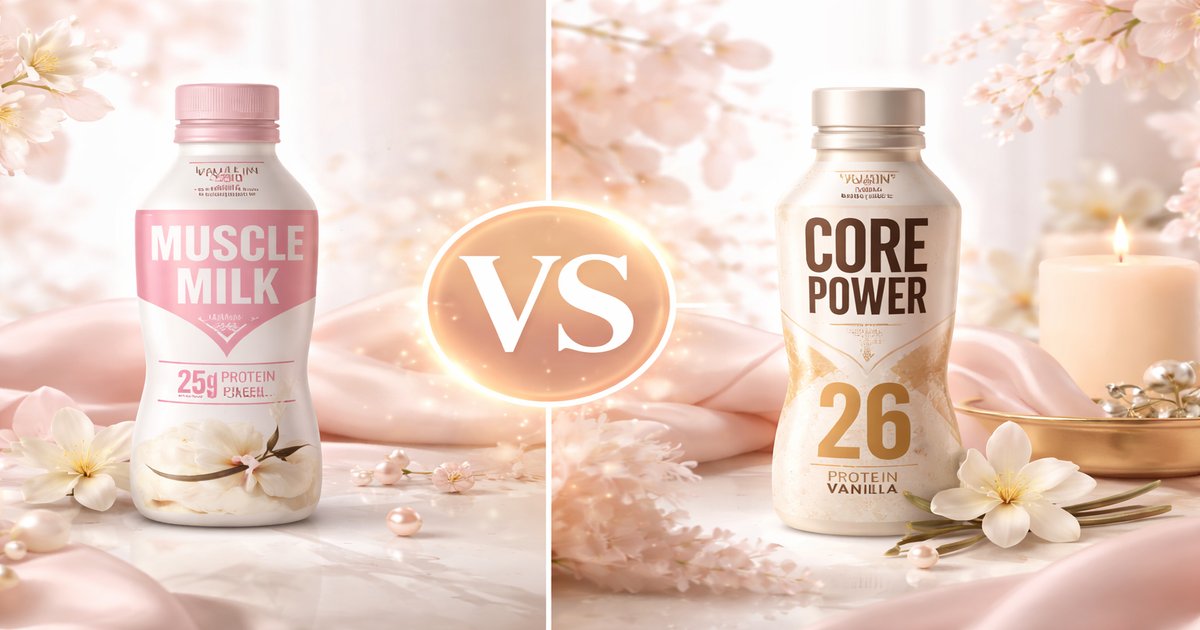
By You’ve just crushed a workout, and now you’re staring at a wall of protein shakes, questioning which one will best fuel your recovery. If you’re torn between Muscle Milk and Core Power, you’re in good company. Let’s break down what each offers so you can make the right choice for your goals.
| Specification | Muscle Milk | Core Power |
|---|---|---|
| Protein Content (per serving) | 25g | 26g |
| Calories (per serving) | 160 | 170 |
| Sugar Content (per serving) | 0g | 26g |
| Lactose-Free | ✓ | ✗ |
| Ready-to-Drink | ✓ | ✓ |
| Contains Real Milk | ✗ | ✓ |
✅ muscle milk Pros
- Lactose-free, great for those with lactose intolerance.
- Zero sugar, ideal for low-carb diets.
- Variety of flavors available, catering to different taste preferences.
❌ muscle milk Cons
- Artificial sweeteners might not suit everyone’s palate.
- Lower protein content compared to some competitors.
- Not as smooth in texture as some premium options.
✅ core power Pros
- High protein content with real milk.
- Smooth, rich taste that feels indulgent.
- Contains electrolytes, aiding in better recovery.
❌ core power Cons
- Contains lactose, not suitable for everyone.
- Higher sugar content, which might not fit low-carb diets.
Performance in Recovery
When it comes to post-workout recovery, both Muscle Milk and Core Power boast solid protein content. Muscle Milk’s lactose-free nature gives it a slight edge for those with dietary restrictions. However, Core Power’s inclusion of real milk and electrolytes can make it a more complete recovery drink, especially if you’re hammering out those intense sessions that deplete more than just your muscles. If you’re looking to replenish and refresh after a grueling workout, Core Power might just have the edge.
Taste and Texture
If you care about taste—and let’s be real, who doesn’t?—Core Power generally wins here. Its smooth, rich texture feels more like a treat than a chore, making it easier to consume regularly. Muscle Milk, while offering a decent variety of flavors, can sometimes come off as chalky, especially the lower-calorie options. If you’re someone who struggles to stick to a routine because of taste, Core Power might be more your speed.
Nutritional Composition and Suitability
Muscle Milk is a go-to for anyone needing a lactose-free option with zero sugar, making it suitable for specific dietary needs like keto or low-carb diets. Core Power, on the other hand, suits those who can handle lactose and aren’t too worried about sugar intake, packing in all the benefits of real milk and added electrolytes. If you’re training hard and need those extra nutrients, Core Power offers a more complete profile.
What many won’t tell you is that the higher sugar content in Core Power can be a dealbreaker if you’re trying to manage your caloric intake strictly. Muscle Milk’s artificial sweeteners may not agree with everyone’s stomach, so keep that in mind if you have a sensitive gut.
Our Final Verdict: Which One Should You Buy?
If you’re lactose intolerant or watching your sugar intake, Muscle Milk is your best bet. It’s ideal for keto dieters or those looking to maintain a low-carb lifestyle. However, if you crave a smooth, delicious recovery shake and have no issues with lactose, Core Power is perfect for intense athletes looking for a holistic replenishment option. Choose based on your nutritional needs and taste preferences.
Is Muscle Milk suitable for lactose-intolerant individuals?
Yes, Muscle Milk is lactose-free, making it a good choice for those who are lactose intolerant.
Does Core Power help with hydration?
Yes, Core Power contains electrolytes, which can aid in hydration post-exercise.
Can I use these shakes as meal replacements?
They can supplement a meal but aren’t nutritionally balanced enough to replace a full meal regularly.