 By
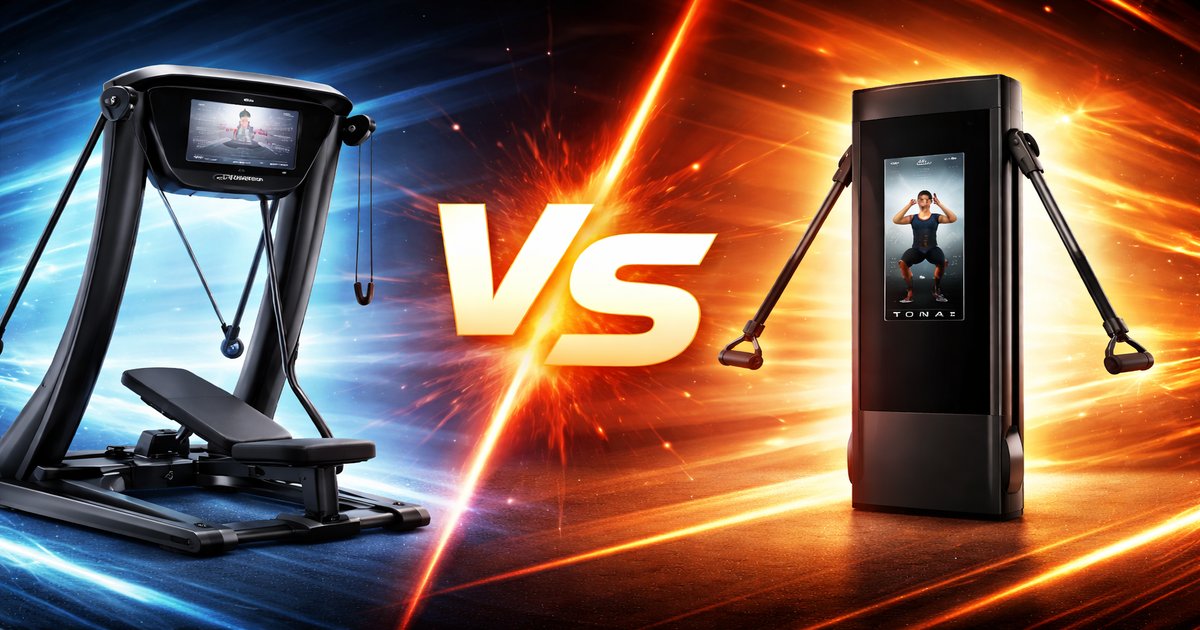
By You’re ready to transform your home into a smart gym, but you’re torn between Speediance and Tonal. You’re not just looking for a workout; you want an experience that fits seamlessly into your lifestyle. Let’s break down these two contenders to see which one deserves a spot in your home.
| Feature | Speediance | Tonal |
|---|---|---|
| Max Resistance | 220 lbs | 200 lbs |
| Subscription Required | ✗ | ✓ |
| Dimensions | 5.5 ft x 2.5 ft | 7 ft x 3 ft |
| Built-in Screen | 21.5-inch | 24-inch |
| AI Coaching | ✓ | ✓ |
| Price | $2,495 | $3,495 |
| Monthly Subscription Cost | $0 | $49 |
✅ speediance Pros
- No ongoing subscription fees.
- Compact design ideal for small spaces.
- Higher max resistance for strength training.
❌ speediance Cons
- Smaller screen compared to Tonal.
- Limited exercise library without subscription incentives.
✅ tonal Pros
- Extensive workout library with regular updates.
- Seamless integration with digital coaching.
- Larger screen enhances workout visibility.
❌ tonal Cons
- Higher initial and ongoing costs.
- Bulky size may not fit all spaces.
Performance: Max Resistance and Workout Experience
Speediance edges out Tonal with a maximum resistance of 220 lbs compared to Tonal’s 200 lbs. This makes a significant difference if you’re focused on strength training and need that extra push. However, Tonal offers a more immersive workout experience with its substantial exercise library and digital coaching. If you like variety in your routines and want a personal trainer vibe, Tonal may have the upper hand in that department. Your choice here really depends on whether raw power or guided variety is more important to your workout style.
Build Quality and Space Requirements
Speediance is designed with compactness in mind, making it suitable for smaller apartments or rooms. It stands at 5.5 ft x 2.5 ft, whereas Tonal’s larger frame at 7 ft x 3 ft can dominate a room. Both machines are solidly built, but if you’re tight on space, Speediance fits more snugly, while Tonal requires a dedicated workout area. If space is a premium concern, this is a crucial factor to consider.
Value: Initial Cost vs. Long-term Investment
Tonal’s initial price tag and monthly subscription can be a deal-breaker if you’re budget-conscious. At $3,495 plus $49 monthly, it can add up quickly. Speediance, on the other hand, offers a straightforward pricing model at $2,495 with no hidden costs. If you want a one-time investment without the hassle of recurring payments, Speediance offers better value. However, if you thrive on updated content and digital insights, Tonal’s recurring cost might justify itself.
Speediance’s lack of a subscription fee is appealing, but it means fewer content updates. Tonal’s subscription ensures fresh workouts but adds ongoing costs. Neither machine is perfect; they both require a bit of a trade-off, whether it’s financial or in terms of available space.
Our Final Verdict: Which One Should You Buy?
Speediance is perfect if you’re a no-fuss user who wants a solid, one-time purchase with real muscle-building potential. Opt for this if you prefer simplicity and space-saving. Tonal, however, is your pick if you crave a dynamic workout experience and don’t mind the premium price for a guided, ever-evolving exercise routine. It’s ideal for those who want their home gym to feel as engaging as a high-end fitness studio.
Is Speediance compatible with all fitness levels?
Yes, Speediance caters to both beginners and advanced users with adjustable resistance levels.
How long does Tonal last with regular use?
Tonal is built to last for years, but regular maintenance and software updates are essential for longevity.
Is the subscription for Tonal worth it?
If you value fresh content and digital coaching, the subscription enhances the overall experience significantly. However, it may not justify the cost if you prefer basic exercises.